2015 programme notes: the last link
Notes on the 2015 symposium programme, including the widely cited session on connecting consumers to sustainable meat.
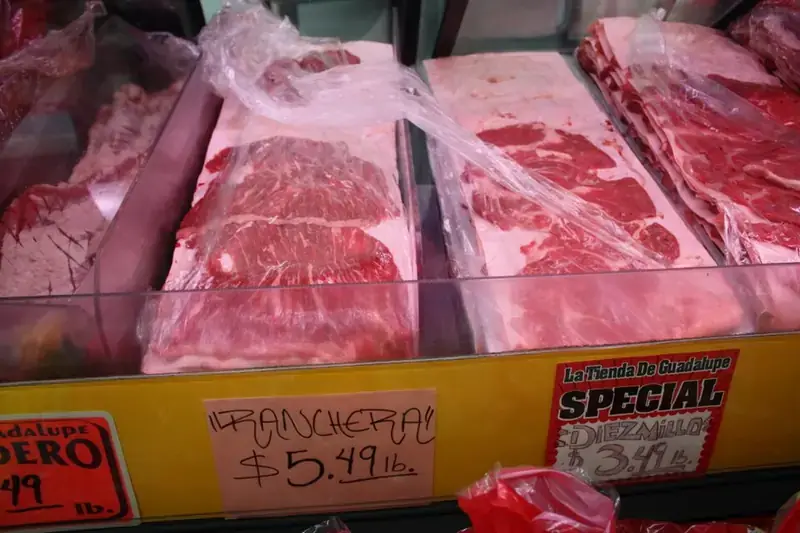
The 2015 symposium put supply chains under the microscope. Rather than asking only how food is farmed, sessions traced what happens between the farm gate and the plate — slaughter and processing, distribution, retail and restaurant buying.
The last link: connecting consumers to sustainable meat
One of the most referenced sessions that year was titled The Last Link: Connecting Consumers to Sustainable Meat. Its premise was simple: pasture-raised and higher-welfare livestock systems exist, but they struggle to reach shoppers because the 'last link' — butchery, cold storage, branding and retail placement — is built for commodity volumes.
Points raised in that discussion remain useful:
- Whole-animal economics. A farmer selling only prime cuts cannot cover costs; butchers and chefs who use the whole carcass make small producers viable.
- Processing bottlenecks. Too few small, inspected slaughter facilities means long hauls and booking waits measured in months.
- Cold chain as infrastructure. Shared freezer and chiller capacity — often overlooked — determines whether a regional meat business can hold stock between sales. See our explainer on the cold chain.
- Labels and trust. Shoppers face a thicket of claims; clear, verified standards matter more than another logo.
Other 2015 themes
Other sessions covered seafood traceability, institutional purchasing, and the role of food hubs in aggregating produce from many small farms into volumes that schools and hospitals can buy. Our article on food hubs expands on that thread.