Urban agriculture: what city farms can and cannot do
A balanced look at community gardens, rooftop farms and urban growing.
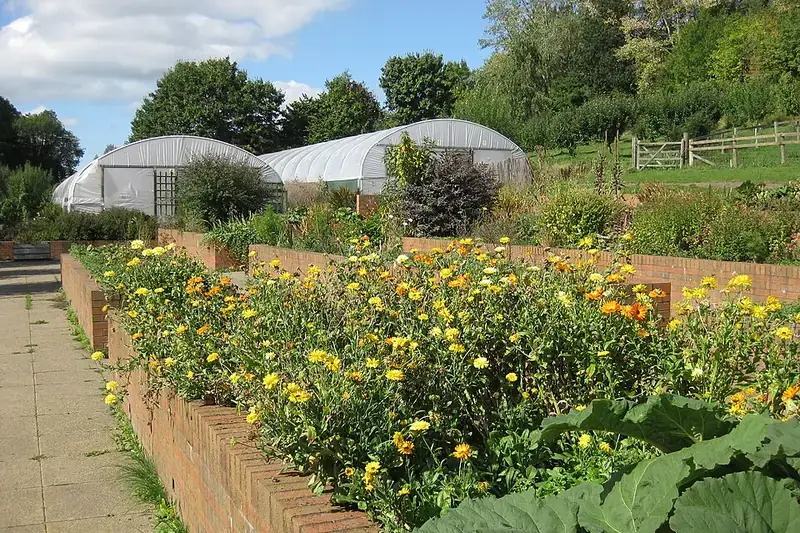
Urban agriculture ranges from allotments and community gardens to commercial rooftop greenhouses. It rarely feeds a whole city, but it delivers benefits that are easy to overlook.
Benefits
- Fresh produce in neighbourhoods with limited grocery access
- Education and job training
- Green space, cooling and stormwater absorption
- Social connection and civic participation
Limits
Land tenure is often insecure, soil contamination must be tested and managed, and yields per square metre — while high for leafy greens — cannot replace field-grown staples.
Policy tools
Cities support urban growing through zoning that permits agriculture, long-term land leases, water access at reduced rates, and composting programmes that return organic matter to gardens. Community gardens have also become places where food justice and the arts meet — see food justice.